
Removing Lamination from Degree Certificates for Embassy Verification – Step-by-Step Guide
Learn why embassies require non-laminated certificates and how safely removing lamination helps with visa, attestation, and international verification.
ABROAD JOB APPLICATIONS
Viral Gala
1/30/20263 min read
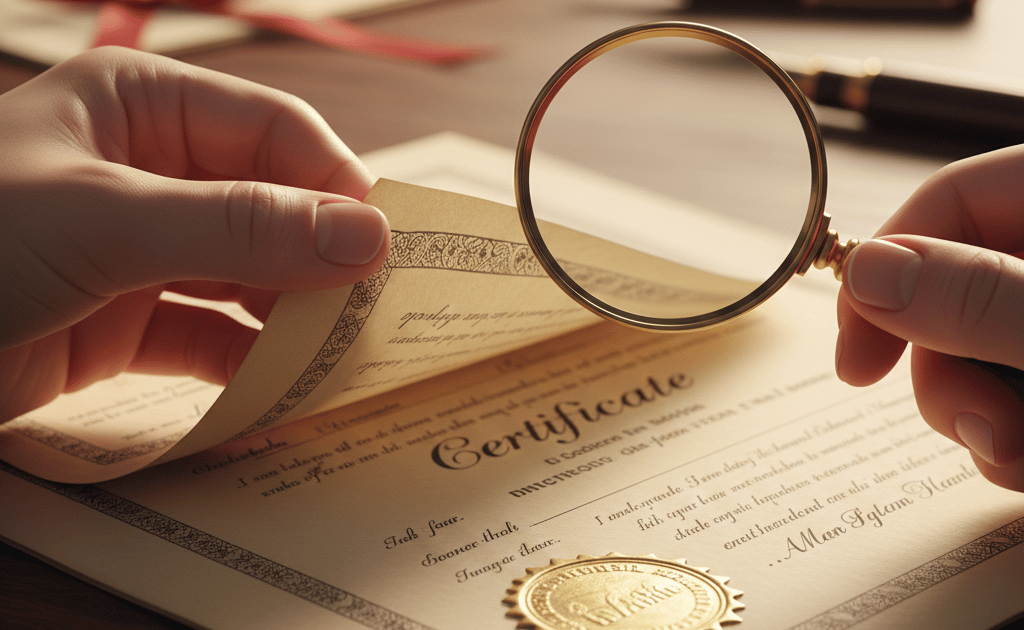
Removing Lamination from Degree Certificates for Embassy Verification
We’ve all been there—you want to protect your most valuable achievements, so you head to the local shop and get your degree or marriage certificate laminated. It feels like the ultimate "shield" against dust and moisture.
However, when it comes to international dreams—be it a job in Dubai, a Master’s in Germany, or a PR in Canada—that plastic shield can become a major roadblock. Embassies and verification offices often reject laminated documents on sight.
Let's look at why this happens and how you can safely navigate the "un-lamination" process to keep your global plans on track.
Why Do Embassies Reject Laminated Certificates?
Many embassies, foreign universities, and visa offices require original, non-laminated certificates for:
Visa Stamping: Consular officers need to affix physical stickers or stamps.
Apostille & Attestation: Official stamps from the MEA (Ministry of External Affairs) or HRD cannot bond to plastic.
Verification of Security Features: Original documents contain watermarks, embossed seals, and micro-text. Lamination flattens these tactile features and adds a reflective glare, making it impossible to verify authenticity.
As often discussed in Reddit's immigration communities, lamination is sometimes even viewed with suspicion, as it’s a common tactic used to hide forgeries.
When Should You Remove Lamination?
You should consider professional lamination removal if:
Your certificate was rejected by an embassy or VFS Global.
You are applying for a foreign job or a student visa.
You need HRD / MEA / Apostille attestation.
The document needs a fresh physical signature or embossed stamp.
Methods to Remove Lamination (And the Risks Involved)
⚠️ Warning: Never attempt this on your original document without expert guidance. If the glue has fused with the ink, you risk "peeling" the text right off the paper.
1. The Gentle Heat Method
Using a hair dryer or a controlled heating element can soften the Ethylene Vinyl Acetate (EVA) glue. Once the glue reaches its softening point (usually between 42°C–47°C), the plastic can sometimes be peeled back slowly.
2. The Professional Laser/Chemical Route
Specialized services use advanced techniques to dissolve the adhesive without affecting the paper fibers or ink. This is the safest way to ensure your seals and signatures remain 100% intact.
What to Do After Removing Lamination
Use Plastic Sleeves: Instead of permanent lamination, use a high-quality, acid-free clear plastic sleeve. It protects the document but allows you to slide it out for stamping.
High-Res Scanning: Once the lamination is gone, get a professional scan. This is your digital backup for online portals.
Proper Storage: Keep your documents in a cool, dry place to avoid moisture, which can cause paper to yellow or "fox" over time.
Frequently Asked Questions (FAQ)
Q: Will removing lamination damage my certificate? A: If done by a professional using the right technology, the risk is minimal. However, DIY methods at home have a high failure rate where the top layer of the paper (and the ink) sticks to the plastic.
Q: Can I get an Apostille on a laminated document? A: Generally, no. The MEA sticker and the physical stamp must be placed directly on the original paper to be legally valid.
Q: What if my document is already damaged? A: In cases of severe damage, you may need to apply for a "Duplicate Original" from your issuing university or board, which can be a long and expensive process involving affidavits.
Recommended Watching
Before you try anything at home, watch how a professional handles the delicate process: How to Remove Lamination from Documents Safely
Preserve Your Legacy with Spandan lamination
At 360 VR Photography, we understand that your documents are more than just paper—they are your future. While we specialize in immersive visual tech, we also help clients protect their physical history through:
✔ Ultra High-Resolution Scanning for embassy-ready digital uploads.
✔ Secure Digital Archiving to ensure you never lose your records.
✔ AI-Based Image Restoration to clean up scans of old or damaged papers.
✔ Virtual Verification Rooms for secure, 360° document presentation.
Contact: Viral Gala
Phone: +91 99203 22366
Websites: https://www.howtoremovelamination.com/