
Why Original Documents Without Lamination Are Important for Visa Applications
Learn why original non-laminated documents are essential for visa applications. Discover how embassies verify documents, common visa rejection reasons, and best practices for safe international travel documentation.
REMOVE LAMINATION
Viral Gala
5/17/20265 min read
Introduction
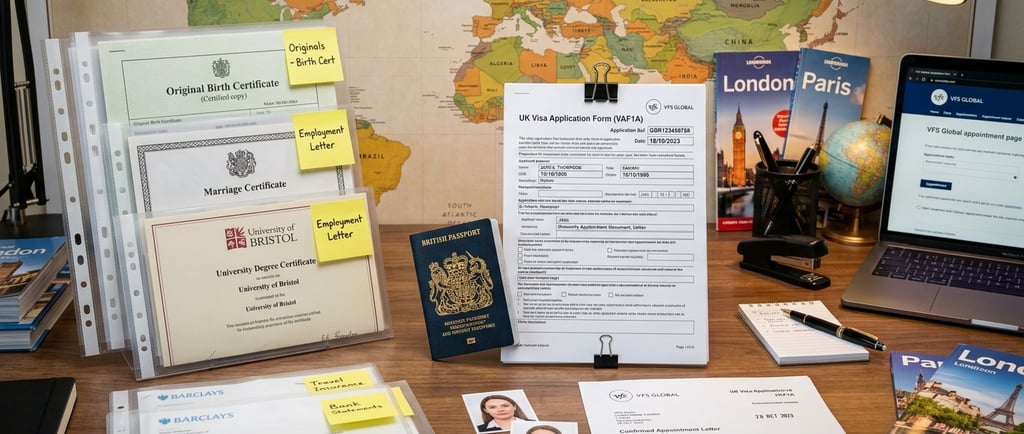
Applying for an international visa can feel like a high-stakes balancing act. You gather your files, double-check your signatures, and cross your fingers. Yet, one of the most common and completely heartbreaking reasons for application delays or outright rejections boils down to a well-intentioned mistake: submitting laminated documents.
It makes sense on the surface. You receive an irreplaceable birth certificate or a hard-earned university degree, and your immediate instinct is to protect it. You head to the local print shop to get it professionally sealed in thick plastic. But while plastic lamination preserves paper from physical spills and tears, it inadvertently creates a massive roadblock for embassy officials and verification authorities.
Whether you are applying for a tourist visa, an international student visa, a corporate business visa, or navigating a complex immigration pathway, understanding the psychology and rules of document handling is absolutely critical.
Why Embassies Demand Original, Non-Laminated Paperwork
Visa officers and embassy personnel process thousands of applications daily, and their primary line of defense against fraud is meticulous physical verification. An official document isn't just paper and ink; it is a complex grid of anti-counterfeiting measures.
According to guidelines on document authentication (such as those outlined on Wikipedia's entry on Document Assessment), clear access to the raw material is vital. Original, unlaminated files allow visa officers to:
Feel and verify embossed seals and raised stamps.
Inspect the microscopic details of security textures and watermarks.
Examine raw signatures and check for ink depth or alterations.
Run the document under specialized UV light scanners to spot hidden markers.
Feed papers into high-resolution document scanners without interference.
When a document is permanently sealed in plastic, it effectively locks out the ability to perform these essential tactile and visual tests.
The Hidden Backlash of Submitting Laminated Documents
1. Serious Hurdles for Apostille and Embassy Attestation
If you are traveling to a country that belongs to the Hague Convention, your documents will require an Apostille stamp. Non-Hague countries require direct embassy attestation. This process requires government authorities to place physical, high-security stickers or wet ink stamps directly onto the back of your original certificate. If the document is laminated, it is physically impossible to apply these official endorsements.
2. Harsh Glare and Scanning Distortions
Modern consular processing relies heavily on automation and digital storage. Laminated sheets act like mirrors under high-intensity scanning beds. The resulting reflection causes severe glare, distorts text, blurs barcodes, and renders QR codes unreadable. If an automated system or a consular officer cannot get a flawless scan, your application is pushed into a manual review pile or flagged for rejection.
3. Red Flags and Fraud Suspicions
In the visa world, a document that cannot be fully examined is treated with caution. Consular officers are trained to consider hidden layers as potential tampering indicators. If they cannot verify the texture of the paper or look closely at the edges of a stamp, it raises unnecessary security concerns. This often leads to a formal request for a newly re-issued original certificate from your home country, costing you precious weeks and missed travel windows.
4. High Risk of Catastrophic Damage During "De-Lamination"
When applicants realize their mistake, many try to peel the plastic off at home using scissors or knives. This is incredibly risky. The industrial adhesive used in standard lamination pouches melts into the paper fibers. Forcing it apart frequently tears away the ink, rips official signatures, and strips away the face of the paper, rendering your irreplaceable original document permanently invalid.
Which Documents Must Stay Unlaminated?
As a golden rule, any unique document issued by a government body, court, or educational institution should never be laminated.
Keep these items in their raw paper form:
Birth, Marriage, and Divorce Certificates
University Degrees, Diplomas, and Academic Transcripts
Police Clearance Certificates (PCC)
Property Deeds and Official Valuation Documents
Employment Experience Letters and Relieving Certificates
Original Certified Bank Statements
Are Any Documents Safe to Laminate?
Some pocket-sized identification cards are designed by default to be durable or laminated (such as plastic-backed driving licenses, PAN cards, or certain membership cards). Because these are easily replaceable or built from synthetic materials, they are generally acceptable. However, for primary ancestral or academic certificates, lamination is highly discouraged by immigration experts across major platforms like r/travel and r/immigration on Reddit.
Smart, Embassy-Approved Alternatives to Lamination
You can easily protect your critical files from environmental wear and tear without angering visa officers by using these smart alternatives:
Premium Archival Plastic Sleeves: Use top-loading, clear poly sleeves. You can easily slide the paper out for an embassy official to inspect and slide it back in for safety.
Heavy-Duty Hard File Organizers: Store your files flat in an accordion-style folder or a dedicated document briefcase to prevent creasing and moisture exposure.
Silica Gel Packets: Keep a few small moisture-absorbing silica gel pouches inside your document storage case to prevent mold or yellowing over time.
High-Resolution Digital Backups: Scan your unlaminated documents at 600 DPI, save them across secure cloud platforms, and keep clear digital copies readily accessible on your devices.
Professional Visa Interview Tips for Your Paperwork
How you present your paperwork during a face-to-face consulate interview speaks volumes about your preparation:
Arrange Chronologically: Use labeled divider tabs to sort your documents exactly as listed on the official embassy checklist.
Ditch the Staples: Avoid stapling original papers together. Use removable paperclips instead, as visa officers frequently need to separate sheets to scan them.
Isolate Your Photocopies: Keep a complete set of clean, uncreased, true-to-scale photocopies in a separate folder so you can hand them over instantly without fumbling.
Recommended Watching
If you already have a laminated document and need to safely remove the plastic backing before an upcoming visa deadline, watch professional demonstrations on how to use controlled heat carefully without destroying the paper fibers.
What to search for on YouTube: Look up "How to safely remove lamination from original certificate" to view step-by-step guides using specialized, precise heating techniques.
Frequently Asked Questions (FAQ)
Q1: What should I do if my original degree certificate is already laminated and I need a visa?
A: Do not try to forcefully rip it apart. Your safest option is to contact your university's administrative registrar office and apply for a "Duplicate Original" or a fresh official copy. Alternatively, seek professional lamination removal services that utilize controlled heat and specialized tools to salvage the document.
Q2: Do embassies accept color photocopies of laminated documents instead?
A: While they may accept a copy for preliminary digital uploads, almost all consulates will mandate seeing the physical, unlaminated original document during your in-person interview or physical passport submission window to verify its legitimacy.
Q3: Can a document be attested by a notary if it is laminated?
A: Most notary publics and government attestation officers will refuse to sign or stamp a laminated surface because their ink or seal will smudge off instantly, and they cannot legally verify the document's authenticity under the plastic layer.
Need Professional Help with Immersive Visuals or Restoration Guidance?
At 360 VR Photography, we are passionate about visual preservation, technical precision, and helping organizations step confidently into the future. Whether you need immersive media creation, virtual tools, or expert advice on technical asset handling, we are here to support your journey.
Founder: Viral Gala
Company Name: 360 vr photography
Contact Number: 9920322366
Websites: 360vrphotography.com | 360vrphotography.in | https://www.howtoremovelamination.com/
